
Hungary: When the model breaks
What Hungary’s Election Means for Democracy
It turns out you can only lie, cheat, steal, and impoverish your country in the name of Christianity and family values for so long before people get disgusted and throw you out of office. In Hungary, it took sixteen years.
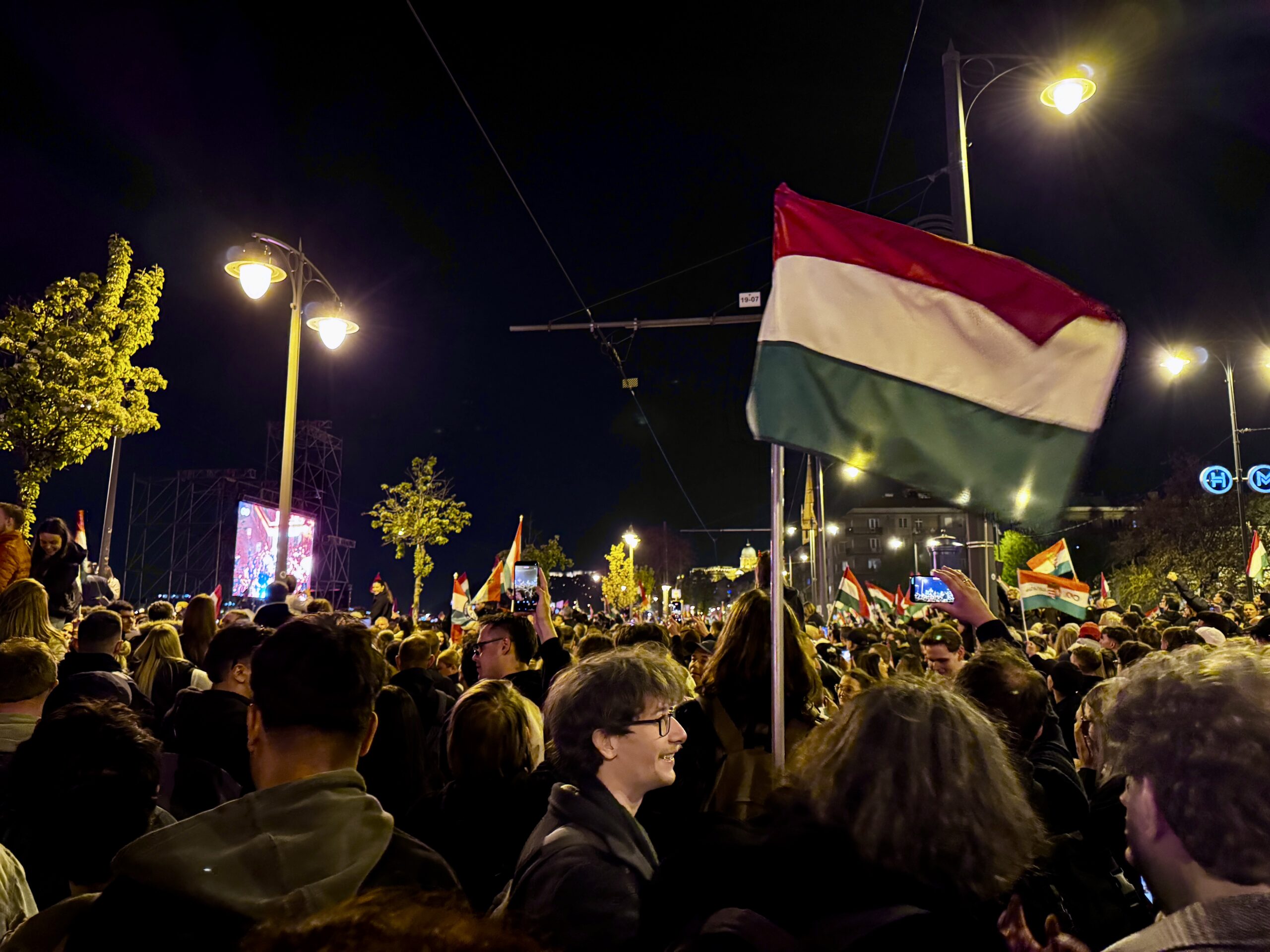
On April 12, Péter Magyar’s two-year-old Tisza party crushed Viktor Orbán in a landslide that was not a total surprise to those who follow Hungarian politics closely — but the margin was bigger than many expected, and the speed with which Orbán conceded was striking. Russian agents had been active in the run-up to the election, and many feared that the ruling Fidesz party would find ways to undermine the results. Instead, record-breaking turnout of nearly 80 percent — the highest since Hungary’s transition to democracy in 1989 — made the result uncontestable.
