Haiti: Haitian Farmers to IDB: Invest in Us, Not Foreign Contractors
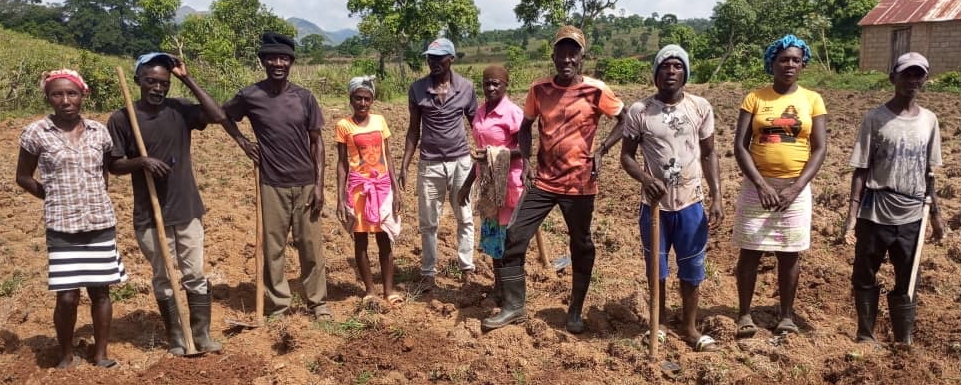
Smallholder farmers in North and Northeast Haiti are pressing the Inter-American Development Bank (IDB) to change how it invests in Haitian agriculture.
Eighty-five peasant and civic organizations have sent the IDB a platform titled We Plant Today So We Can Feed Ourselves Tomorrow, calling on the bank to invest in irrigation, seed banks, and access to credit and crop insurance — and to channel its work through local Haitian organizations rather than foreign contractors.
Platfòm Peyizan Ti Agrikiltè – Nò ak Nòdès Ayiti
The IDB, working with the UN International Fund for Agricultural Development (IFAD) and Haiti’s Ministry of Agriculture and Rural Development, is currently designing a $44.2 million sustainable agriculture project for the North and Northeast. But past IDB projects have fallen short of their goals, according to the bank’s own assessments — in part because they were designed and implemented without meaningful participation from Haitian farmers, and relied heavily on large outside suppliers and contractors.
The Smallholder Farmer Platform grew out of direct consultation with grassroots organizations across Haiti and a survey of more than 1,100 smallholder farmers in 74 communities, conducted in November and December 2025 [please confirm year] by the People’s Organization for the Development of Haiti (OPODHA).
OPODHA — which has 5,500 members and 74 chapters across Haiti’s Nord and Nord-Est departments — is leading this campaign in partnership with Centre d’Agriculture Saint Barnabas (CASB), Partenariat pour le Développement Local (PDL), Fon Lambi d Ayiti (Lambi Fund), Organisation pour le Développement de Femmes Émancipées d’Haïti (ODFEH), and Faith in Action International.
Why Change Is Needed
Three previous multi-million-dollar agricultural programs in Northern Haiti relied heavily on foreign contractors rather than local community-based organizations. IDB provided one-time vouchers to selected farmers to obtain seeds and other inputs from large suppliers, but did not address the long-term challenges that smallholder farmers face: inadequate irrigation, poor-quality seeds, bad roads, limited access to tools, climate shocks, livestock damage, and a lack of affordable credit.
As a result, many rural families struggle to make farming economically viable, while young people see no future in agriculture.
At the same time, smallholder farmers organizing through OPODHA and other local Haitian organizations have demonstrated successful approaches to seed banking, composting, irrigation, collective labor (konbit), and local marketing. Farmers are telling the IDB that future investments should build on these proven community-based models and help expand them to reach more families.
The coalition is calling for farmers and local organizations to be included in project design from the beginning so that investments reflect local realities and strengthen Haiti’s long-term food security.
Without significant changes in how agricultural development is planned and funded, many fear that the cycle of underperforming projects will continue while rural communities face growing food insecurity and economic pressure.
How You Can Help
Advocacy by Haitian-Americans and friends of Haiti has made a difference in persuading the U.S. government to send vaccines to Haiti, and is making a difference now in our efforts to extend Temporary Protected Status (TPS) for Haitians. Your voice can help us push IDB and other international development agencies to listen to and work through Haitian organizations.
