Haitian Farmer Organizations Welcome $38.7 million Investment to Fight Hunger
OPODHA pledges to hold the project to its commitments on irrigation, seed banks and farmer oversight
Terrier-Rouge, Haiti – With more than half of Haitians facing hunger, Haitian organizations welcomed the Inter-American Development Bank Board’s September 28 decision to move forward with desperately needed investment to increase food production in North and Northeast Haiti.
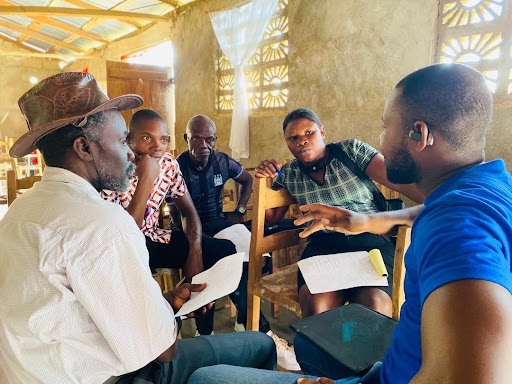
Under the banner We Plant Today So We Can Feed Ourselves Tomorrow, 85 Haitian organizations campaigned for nine months to ensure that the project works through local farmer associations and meets their need for access to water, seeds and credit.
The People’s Organization for the Development of Haiti (OPODHA) thanked the Bank’s Board of Directors and the Ministry of Agriculture for responding to local concerns about the original project design and including some of their requested priorities in the project design and project manual.
“The only sustainable answer to hunger in Haiti is boosting local food production,” said Rev. Florcie Tyrell, OPODHA Director. “Smallholder farmers are ready to plant and harvest to feed their families and neighbors.”
“Farmers organized, and this project is better as a result,” said Dr. Francois Pierre-Louis, Faith in Action International Haiti Director. “The Bank did not adopt everything they proposed, and commitments on irrigation, seed banks, and farmer participation only matter if they are kept. Now we begin the hard work of making sure water, seeds, and support reach farmers.”
In fall 2025, the Bank announced plans for a large agricultural investment in North and Northeast Haiti, in partnership with the Haitian Ministry of Agriculture and the International Fund for Agricultural Development. In response, local organizations in North and Northeast Haiti developed a Smallholder Farmer Platform to shape the project design. The Platform was based on consultation with 1,100 local farmers in 74 communities, who identified access to irrigation, high-quality seeds, and credit as their greatest challenges to increasing production.
Key partners included Centre d’Agriculture Saint Barnabas (CASB), Partenariat pour le Développement Local (PDL), Fon Lambi d Ayiti (Lambi Fund) and Organisation pour le Développement de Femmes Émancipées d’Haïti (ODFEH).
With support from Faith in Action International, the Bank Information Center and other international organizations, the Haitian groups pressed the Bank to include local priorities in the project and work through local farmer associations. They argued that past bank-financed agricultural projects had failed to consult with local organizations, over-relied on large outside contractors, and did not achieve sustainable results.
OPODHA and its partners highlighted three improvements that were made to the project design and manual:
- A transparent process with community input to assess the feasibility of additional irrigation investments
- Seed Banks named as part of the project, given the shortage of high-quality food-crop seeds
- A seat for producer organizations on the project Steering Committee, quarterly information sessions with farmer organizations and civil society, and a process for local organizations to give documented feedback on implementation
OPODHA and its partners will measure the project against these three commitments and report publicly on progress. Farmer associations are ready to work closely with the Ministry of Agriculture and its departmental directorates as full partners to carry out the project.
###
The People’s Organization for the Development of Haiti (OPODHA) is a grassroots Haitian-led movement with 5,500 members and 76 community-based teams across North and Northeast Haiti. Founded in 2014, OPODHA operates more than 60 Mutual Solidarity Loan funds and supports farmers working together to plant and harvest in 22 communities. OPODHA’s We Plant Today So We Can Feed Ourselves Tomorrow campaign is a multi-year effort to increase local food production and reduce hunger in Haiti.
Faith in Action International is a grassroots faith-based movement supporting community organizing in 15 countries across Latin America, the Caribbean, Africa, and Eastern Europe. Faith in Action and its partners advocate for development policies that follow local organizations’ priorities and increase domestic investment to improve living conditions and economic opportunities in marginalized communities and regions.
